10 Irresistible Traits of the Smartest People

getty_481292785_2000133320009280405_110478

CREDIT: Getty Images

Positive psychology teaches us exceptional behaviors that draw others to us like a fly to flypaper. Here are 10 to get you going.

Successful People Who Love Their Work: 4 Career Moves They Avoid

by Kathy Caprino

istock_84501373_medium-1200x800

Photo Courtesy: iStock

Being a researcher at heart, I love to explore key trends that reflect the deepest challenges professionals face. And if I can, I like to distill down to the bare essentials the vital lessons that successful professionals and career changers have gleaned from their respective journeys. People who have built amazing careers and work-lives of significance that they love, and who find their livelihoods immensely rewarding both emotionally and financially — have a lot to teach us.

Those lessons include how to avoid the four most limiting actions that so often lead to unfulfilling or even disastrous job and career moves. Successful professionals avoid these four moves: Read more…


12 Ways to Know You Genuinely Have Emotional Intelligence

Genuine people have a profound impact upon everyone they encounter. Discover the unique habits that cause them to radiate with energy and confidence.

by Travis Bradberry

There’s an enormous amount of research suggesting that emotional intelligence (EQ) is critical to your performance at work. TalentSmart has tested the EQ of more than a million people and found that it explains 58 percent of success in all types of jobs.

People with high EQs make $29,000 more annually than people with low EQs. Ninety percent of top performers have high EQs, and a single-point increase in your EQ adds $1,300 to your salary. I could go on and on.

Suffice it to say, emotional intelligence is a way to focus your energy with tremendous results.

TalentSmart Homepage

Read more…

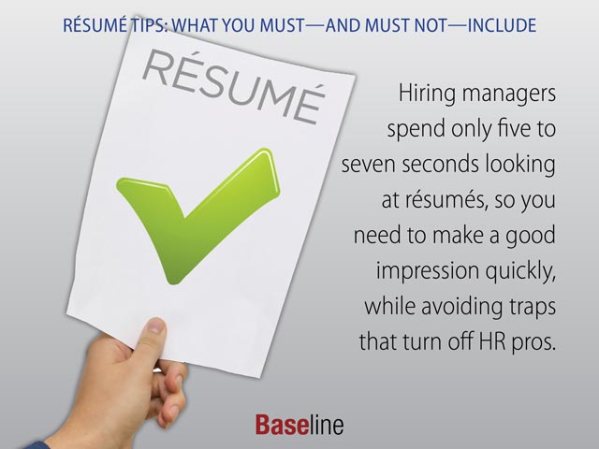
Résumés: What You Must—and Must Not—Include

Dennis McCafferty  |  Posted 2016-08-04
resumetips_0
Job seekers in the digital age face good news/bad news prospects when it comes to résumés. The good news? It’s easier than ever to send a résumé, as nine out of 10 are now posted online or sent via email, up from 22 percent in 2000. The bad news? Hirers now spend an average of only five to seven seconds looking at these documents. The upshot: You need to make a good impression quickly, while avoiding résumé traps that immediately turn off potential employers. To provide insight into best practices, Glassdoor has come up with a list of résumé must haves, which we’ve adapted here, that cover everything from awards to IT certifications to your Facebook page. Essentially, Glassdoor’s tips encourage job candidates to go beyond a listing of schools attended and positions held to drive toward clear, vivid summaries about your ability to make an impact. In addition to the must haves, Glassdoor also compiled a list of words you should never use in a résumé—including clichés and other well-worn buzz phrases—and we’ve included some of those here. – See more at: http://www.baselinemag.com/careers/slideshows/resume-tips-what-you-mustand-must-notinclude.html?utm_medium=email&utm_campaign=EWK_NL_ECSM_20160809_STR2L1&dni=347701603&rni=22602104#sthash.f95R2nWI.dpuf

Want The Job? Bring A 100-Day Action Plan To The Interview

960x

Shutterstock

More and more final candidates for senior roles are being asked to present their 100-day action plans as part of the interview process. The question is an obvious test that has a hidden trick in it. Shame on you if you walk into a late round interview without a plan for what you are going to do leading up to and through your first 100 days. And shame on you if your plan is all about you.

In a world in which 40% of new leaders fail in their first 18 months, hiring organizations are realizing that it’s no longer good enough to hire the right leader. They have to help with executive onboarding. This is all about helping new leaders prepare in advance, manage their message and build their teams. It all starts with a plan.

Lincoln knew it wasn’t enough to win the war. We had to “finish the work” and secure “a just, and a lasting peace.” Read more…