How to Bounce Back: 5 Resilience Building Strategies for Your Career | LinkedIn

Career advice | Resilience | Emotional Intelligence

by Dr. Marla Gottschalk January 24, 2017

aaeaaqaaaaaaaapwaaaajdvjzte4otdhlwqxztktngvhny1imwuxltq1ywfhngfimzqyoq

I’ve often wondered why building resilience isn’t a key business imperative. My opinion is such, primarily because being human, is often at odds with work life. Work can routinely bring stress, negativity, setbacks and outright failures — and most of us are challenged to combat the effects.

We often frame conversations about resilience with stories of extreme hardship or extenuating circumstances. However, resilience could serve as an ever-present, daily mentor, helping us to rebound from the collected pressures of work life. Most of us forge on — taking little note of the increasing toll — and building resilience isn’t considered.

This can be a serious mistake.

Through all of the trials and tribulation, we rarely notice that our psychological resources are waning.We muddle on. We develop idiosyncratic mechanisms to bolster our mood and maintain motivation. However, the damage accumulates. We become less able to bounce back. Months later, we may realize that we still lament the project that has been cut, laid off co-workers or failing to land an important client. Read more…

 

You’ll never be famous: And that’s O.K. | Op-Ed

Career advice | Emotional intelligence |Education


04oncampus-master768

Charlotte Ager

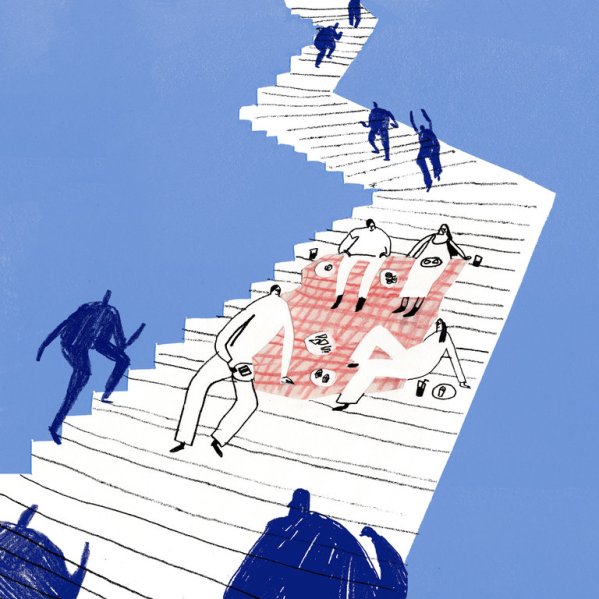
Today’s college students desperately want to change the world, but too many think that living a meaningful life requires doing something extraordinary and attention-grabbing like becoming an Instagram celebrity, starting a wildly successful company or ending a humanitarian crisis.

Having idealistic aspirations is, of course, part of being young. But thanks to social media, purpose and meaning have become conflated with glamour: Extraordinary lives look like the norm on the internet. Yet the idea that a meaningful life must be or appear remarkable is not only elitist but also misguided. Over the past five years, I’ve interviewed dozens of people across the country about what gives their lives meaning, and I’ve read through thousands of pages of psychology, philosophy and neuroscience research to understand what truly brings people satisfaction.

The most meaningful lives, I’ve learned, are often not the extraordinary ones. They’re the ordinary ones lived with dignity. Read more…

Good News for Young Strivers: Networking Is Overrated | op-ed

Career advice | Networking | Employment

How to say no at work | Employer

Employment | Communication in the workplace | Career advice

by Reuben Yonatan, founder and CEO of GetVoIP | Undercover Recruiter

Perhaps the most important skill to learn at work is prioritization. By taking on some projects and declining others, it is possible to control your work quality more effectively, something that is absolutely crucial.

But learning when and how to say no is something particularly difficult in an American professional climate where people tend to be boastful about overwork to an unhealthy degree.

enrico-carcasci-258904-e1502098039812

Read article

A New Study Says Anxiety Can Help You Perform Better — But Only If You Know How To Respond To It

Emotional Intelligence | Mental Health | Career Advice

Amy Morin, contributor Forbes August 12, 2017

960x0

Shutterstock

Anxiety is probably the most common reason people enter my therapy office. From specific phobias to generalized anxiety disorders, people are often desperate to do whatever it takes to get rid of their discomfort.

While you may not have a diagnosable anxiety disorder, there’s no doubt you experience anxiety sometimes. Whether the thought of giving a speech makes your heart race or your fear of asking for a raise leaves your palms sweaty, anxious feelings are normal.

In an effort to spare yourself from anxiety, you might decline to take a risk or decide to stay inside your comfort zone. After all, anxiety is uncomfortable and an easy way to prevent it is to avoid anything anxiety-provoking.

But new research shows anxiety isn’t always harmful. In fact, it could improve your performance if you know how to respond to it. Read more…